Päiväkirja
What to Eat in Lapland: 10 Foods You Must Try in 2027
Discover the true taste of Finnish Lapland with our foodie's guide to the 10 essential dishes you absolutely must try on your Arctic adventure.
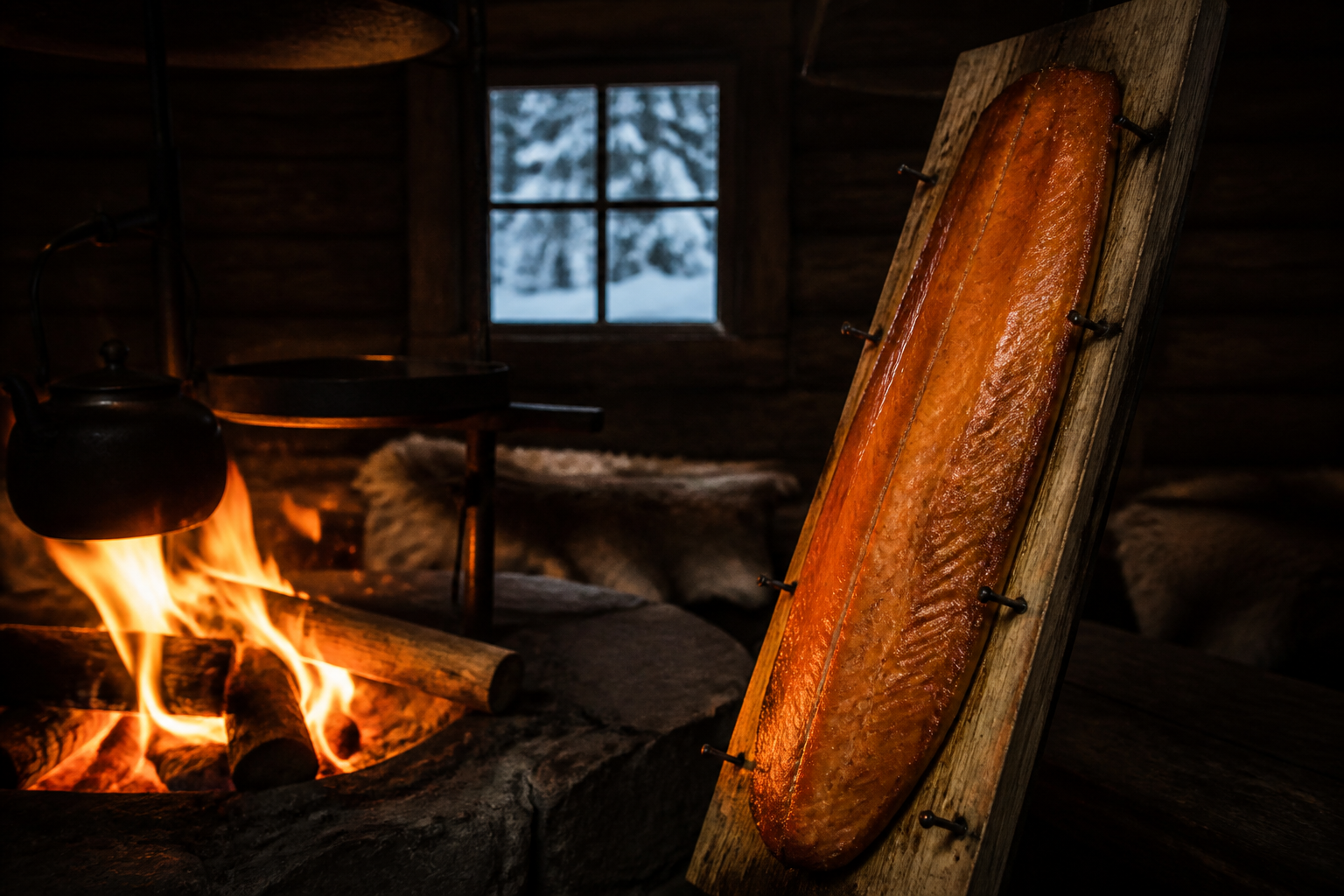
When the polar night descends and the temperature plummets, we Finns know the best place to be is inside, gathered around a table laden with hearty, warming food. Here in Lapland, our cuisine is a direct reflection of our environment: pure, wild, and deeply comforting. It’s about making the most of the short, bright summer and preserving its bounty for the long, dark winter.
So many visitors ask us, "What should we eat?" They know about reindeer, of course. But Lappish food is so much more than that. It's about subtle flavours from Arctic waters, the sharp sweetness of forest berries, and recipes passed down through generations. Forget the generic tourist menus; we want to share the real taste of Lapland with you. Here are the 10 dishes you simply must try, and our local tips on where to find them in 2027.
1. Sautéed Reindeer (Poronkäristys): The Heart of Lappish Cuisine
This is the quintessential Lapland dish, and for good reason. Poronkäristys isn't just a meal; it's a cultural cornerstone. We make it by sautéing paper-thin slices of frozen reindeer meat (traditionally carved from a frozen haunch) in a hot pan with butter or fat. The result is incredibly tender, savoury meat with a mild gamey flavour that’s much less intense than venison.
It’s almost always served with creamy mashed potatoes (perunamuusi), tart lingonberry jam, and pickled cucumbers. The combination is a perfect balance of rich, sweet, and sour. Don't be shy with the lingonberries – they cut through the richness of the meat beautifully.
- Where to Find It: Nearly every traditional restaurant in Lapland. For a classic, high-quality experience in Rovaniemi, try Restaurant Nili (expect to pay €35-€45 for a main). For a more rustic setting, many safari operators serve it for lunch in a kota hut after a morning of activities.
- Buddy's Tip: If you're renting a cabin with a kitchen, you can find frozen, pre-sliced reindeer meat in any local supermarket (like K-Market or S-market) to try cooking it yourself. It's easier than you think!
2. Glow-Fired Salmon (Loimulohi): A Taste of Smoke and Fire
Forget your standard grilled salmon. Loimulohi, or "blazing salmon," is a spectacle as much as a meal. A large salmon fillet is seasoned simply with salt, then nailed to a wooden plank and placed vertically next to a crackling open fire. It cooks slowly for an hour or more, absorbing the smoky aroma while staying incredibly moist and tender.
The flavour is sublime: delicately smoky on the outside, flaky and juicy on the inside. The slow-cooking process renders the fat, making the fish melt in your mouth. This is a must-experience, especially on a cold winter's night.
- Where to Find It: Look for restaurants with a prominent open fire or a traditional kota hut. Santa's Salmon Place in Santa Claus Village is famous for this, offering a simple but perfect lunch for around €25. Many wilderness hotels also prepare it as a special dinner experience.
- Buddy's Tip: This is best enjoyed fresh off the fire. If a restaurant has it on their standard menu but you can't see a fire, they might be reheating it. Ask if they prepare it fresh daily.
3. Squeaky Cheese (Leipäjuusto) with Cloudberries
Now for something uniquely Finnish. Leipäjuusto translates to "bread cheese," but it's not bread at all. It's a fresh, mild cheese traditionally made from cow's beestings (the first milk after calving), though now more commonly from regular milk. It's pan-fried or baked, giving it a slightly charred, spotted appearance.
When you bite into a warm piece, it makes a distinct "squeak" against your teeth! The flavour is mild and milky. The classic way to serve it is warmed up and topped with cloudberry jam (lakkahillo). The sweet, tart jam is the perfect partner for the mild, fatty cheese. It’s a common dessert, coffee accompaniment, or even breakfast item.
- Where to Find It: Almost every café and restaurant will have it on their dessert menu. You can also buy it in all supermarkets for about €4-€7 a block. Just warm it in a dry pan for a few minutes on each side before serving.
- Buddy's Tip: Try it for breakfast with your coffee. It's a surprisingly filling and comforting way to start a day of Arctic exploration.
4. Creamy Smoked Reindeer Soup (Savuporokeitto)
If poronkäristys is the king of main courses, savuporokeitto is the queen of starters and lunches. This isn't just a simple meat soup; it's a thick, velvety, and deeply flavourful cream soup. The star ingredient is cold-smoked reindeer, which is finely diced and adds an intense, smoky, and salty punch.
Often fortified with potatoes, leeks, and sometimes a touch of cheese, this soup is the ultimate warmer. It’s the kind of meal that thaws you from the inside out after a husky safari or a long walk in the snow.
- Where to Find It: An absolute staple on lunch menus in ski resort cafes and city restaurants alike. A hearty bowl will typically cost €12-€18. The cafe at the Arktikum museum in Rovaniemi often serves an excellent version.
- Buddy's Tip: Many places serve it with a side of dark rye bread or rieska (see below). Use it to mop up every last drop from the bowl.
5. Arctic Char (Rautu): The Jewel of Arctic Waters
While salmon gets all the attention, we locals often prefer Arctic char (rautu). This cold-water fish is related to both salmon and trout but has a more delicate flavour and a firmer texture. Its flesh is a beautiful pink, and its taste is clean and fresh, like the pristine Lappish lakes it comes from.
Because of its delicate nature, it's usually prepared simply: pan-fried in butter until the skin is crispy, or gently smoked. It doesn't need heavy sauces. A squeeze of lemon and some dill-buttered new potatoes are all it takes to make it shine.
- Where to Find It: This is more of a fine-dining dish. Look for it on the menus of higher-end restaurants that pride themselves on local ingredients, like Restaurant Aitta or Arctic Restaurant in Rovaniemi. Expect a main course to be in the €30-€45 range.
- Buddy's Tip: If you see this on a menu, order it. It’s a true taste of the Arctic wilderness and less common than salmon.
6. The "Gold of Lapland": Cloudberries (Lakka)
If you try one berry in Lapland, make it the cloudberry. We call it lakka or the "gold of Lapland" because of its rarity and beautiful amber colour. These berries grow in marshlands and are notoriously difficult to pick, ripening for only a very short period in late July and early August.
Their flavour is unique: a complex mix of sweet and sour, with hints of apricot and a slightly floral aroma. You'll find them most often as jam (served with leipäjuusto or game meats) or in desserts. A classic is a simple bowl of cloudberries with sugar and cream, or a warm cloudberry parfait.
- Where to Find It: In some form on almost every dessert menu. For a real treat, look for cloudberry liqueur, like Lakka, which is a fantastic digestif. You can buy cloudberry jam in any supermarket, but be prepared for the price—a small jar can cost €10-€15 due to the labour-intensive harvesting.
- Buddy's Tip: If you visit in late summer, ask a local guide about joining a berry-picking trip. There's nothing like eating a fresh cloudberry straight from the bog.
7. Karelian Pies (Karjalanpiirakka): The Perfect Finnish Snack
Okay, these aren't exclusive to Lapland, but they are an essential part of the Finnish food experience you'll find everywhere here. These small, oval-shaped pastries have a thin rye crust filled with rice porridge (the most common version) or mashed potato.
They are best eaten warm, slathered with munavoi—a simple but delicious spread made of chopped hard-boiled eggs mixed with butter. They are the perfect cheap, quick, and satisfying snack to grab on the go.
- Where to Find It: Every single supermarket, bakery, and cafe. They're very affordable, usually €1-€2 per pie. Just grab one from a heated cabinet at a K-Market checkout for an authentic local snack.
- Buddy's Tip: Don't eat them plain! The munavoi is not optional; it's what completes the experience.
8. Willow Grouse (Riekko): For the Adventurous Eater
For the foodies looking for something truly wild, seek out willow grouse (riekko). This is a game bird that lives on the fells, and its meat is dark, rich, and has a very strong, distinctive gamey flavour. This is not for the faint of heart; its taste is a powerful reflection of its wild diet of buds and berries.
Due to its strong flavour and the sustainable hunting quotas, it's a delicacy you'll only find in specific restaurants during the autumn and winter hunting season. It's often pan-fried and served with a rich cream or game sauce.
- Where to Find It: This is a rare find. You'll need to look at high-end restaurants specializing in Lappish fine dining. Be prepared for a high price tag, often €50+ for a main course. It's an experience for a special occasion.
- Buddy's Tip: If you see it, ask the waiter about its origin. A good restaurant will be proud to tell you about the local hunters they source from.
9. Blueberry Pie (Mustikkapiirakka): A Sweet Taste of the Forest
This isn't your average blueberry pie. Finnish mustikkapiirakka is made with wild bilberries (mustikka), which are smaller, more intensely flavoured, and darker than cultivated blueberries. They grow in abundance in our forests.
The typical pie has a simple, biscuit-like crust and is often made with a sour milk or buttermilk batter, which gives it a lovely tangy flavour to balance the sweet berries. A warm slice with a dollop of vanilla cream or sauce is pure Finnish comfort.
- Where to Find It: Local cafes are your best bet. Avoid the big chains and find a small, independent place for a truly homemade slice. It's a key part of the Finnish coffee-and-cake culture (kahvi ja pulla).
- Buddy's Tip: Pair it with a simple black coffee, the way we Finns do. The bitterness of the coffee perfectly complements the sweet, tangy pie.
10. Rieska Flatbread: The Humble, Essential Loaf
Finally, the simple but essential rieska. This is a traditional Finnish unleavened flatbread. There are two main types you'll find in Lapland: potato rieska (perunarieska), which is soft and moist, and barley rieska (ohrarieska), which is a bit denser.
It’s not meant to be a showstopper. It’s the humble, delicious vehicle for good Finnish butter, or the perfect accompaniment to a bowl of soup. It’s soft, comforting, and a taste of a traditional Lappish home.
- Where to Find It: Freshly baked in the bakery section of larger supermarkets. It’s cheap, delicious, and a great thing to have in your apartment or cabin for quick meals.
- Buddy's Tip: Try the potato version warm with a thick layer of butter and a sprinkle of salt. It's simple, rustic, and absolutely perfect.
Your Practical Foodie FAQ
Is it ethical to eat reindeer meat in Lapland? Yes, absolutely. Reindeer herding is a cornerstone of the indigenous Sámi culture and a vital part of the local economy. The animals roam free for most of their lives in the fells and forests. It's a sustainable, free-range meat, and by eating it, you are directly supporting traditional livelihoods.
What are typical meal times in Finland? We tend to eat a bit earlier than in Southern Europe. Lunch is usually between 11:00 and 13:00, and it's often the main hot meal of the day. Dinner is typically eaten between 17:00 and 19:00. Many restaurant kitchens in smaller towns may close by 21:00, so plan accordingly.
What can vegetarians eat in Lapland? While traditional cuisine is meat-heavy, things have improved dramatically. Most restaurants now have at least one dedicated vegetarian or vegan option. Look for dishes featuring mushrooms (especially chanterelles or porcini), root vegetables, and vegetarian patties (kasvispihvit). Helsinki has a bigger vegan scene, but Rovaniemi is catching up, with places like Hostel Cafe Koti offering good options.
Can I drink tap water in Lapland? Yes! Please do. Finland has some of the cleanest and best-tasting tap water in the world. There is absolutely no need to buy bottled water here. Just fill up your reusable bottle from any tap.
How much does a typical meal cost in Lapland? Lapland isn't cheap. For 2027, budget around €12-€20 for a cafe lunch (like soup or a pie). A main course at a mid-range restaurant in the evening will be €25-€40. Fine dining can easily exceed €70 per person for a main. Supermarkets are your friend for saving money on breakfasts and snacks. You can also <a href="/go/booking/booking-generic?ctx=eyJwcm92aWRlcl9zbHVnIjoiYm9va2luZyIsInprb3ZpZGVyX3R5cGUiOiJob3RlbCIsImRlc3RpbmF0aW9uX25hbWUiOiJMYXBsYW5kIiwiY2l0eSI6IkxhcGxhbmQiLCJjaGVja19pbiI6bnVsbCwiY2hlY2tfb3V0IjpudWxsLCJhZHVsdHMiOm51bGwsImNoaWxkcmVuIjpudWxsLCJjdXJyZW5jeSI6IkVVUiIsInNvdXJjZV90eXBlIjoiYmxvZ19hZmZpbGlhdGUiLCJzZXNzaW9uX2lkIjpudWxsLCJmYWxsYmFja191cmwiOiJodHRwczovL3d3dy5ib29raW5nLmNvbS9zZWFyY2hyZXN1bHRzLmh0bWw_c3M9TGFwbGFuZCZub19yb29tcz0xJnNlbGVjdGVkX2N1cnJlbmN5PUVVUiJ9">check hotel availability in Lapland</a> to help budget your trip.
What is 'Särä'? Särä is a very traditional lamb dish, slow-cooked for many hours in a wooden trough. It's a specialty of the Lemi region in Southern Finland, but you might occasionally find it as a special in a very traditional Lappish restaurant. If you do, it's a rare and delicious treat worth trying!
Buddy's Take
Exploring the food of Lapland is just as important as seeing the Northern Lights or meeting Santa Claus. It’s how you connect with the land, the seasons, and the people who call this beautiful, harsh place home. Be adventurous. Try the squeaky cheese, savour the smoky fish, and don't leave without tasting the gold of our forests. We promise that the flavours you discover here will become some of your warmest memories of the Arctic. You can also <a href="/activities">browse Lapland activities</a> to enhance your journey. Hyvää ruokahalua – enjoy your meal!
Book your Lapland trip
- 🏨 Stay — Compare hotels, cabins and glass igloos in Lapland
- 🦌 Do — Browse husky, reindeer and aurora tours
Some links on this page are affiliate links. Booking through them costs you nothing extra and helps keep Lapland Buddy free.
Usein kysyttyä
Is it ethical to eat reindeer meat in Lapland?
Yes, absolutely. Reindeer herding is a cornerstone of the indigenous Sámi culture and a vital part of the local economy. The animals roam free for most of their lives in the fells and forests. It's a sustainable, free-range meat, and by eating it, you are directly supporting traditional livelihoods.
What are typical meal times in Finland?
We tend to eat a bit earlier than in Southern Europe. Lunch is usually between 11:00 and 13:00, and it's often the main hot meal of the day. Dinner is typically eaten between 17:00 and 19:00. Many restaurant kitchens in smaller towns may close by 21:00, so plan accordingly.
What can vegetarians eat in Lapland?
While traditional cuisine is meat-heavy, things have improved dramatically. Most restaurants now have at least one dedicated vegetarian or vegan option. Look for dishes featuring mushrooms (especially chanterelles or porcini), root vegetables, and vegetarian patties (*kasvispihvit*). Helsinki has a bigger vegan scene, but Rovaniemi is catching up, with places like Hostel Cafe Koti offering good options.
Can I drink tap water in Lapland?
Yes! Please do. Finland has some of the cleanest and best-tasting tap water in the world. There is absolutely no need to buy bottled water here. Just fill up your reusable bottle from any tap.
How much does a typical meal cost in Lapland?
Lapland isn't cheap. For 2027, budget around €12-€20 for a cafe lunch (like soup or a pie). A main course at a mid-range restaurant in the evening will be €25-€40. Fine dining can easily exceed €70 per person for a main. Supermarkets are your friend for saving money on breakfasts and snacks.
What is 'Särä'?
Särä is a very traditional lamb dish, slow-cooked for many hours in a wooden trough. It's a specialty of the Lemi region in Southern Finland, but you might occasionally find it as a special in a very traditional Lappish restaurant. If you do, it's a rare and delicious treat worth trying!