Päiväkirja
A Guide to Sámi Culture in Lapland
Go beyond the snow and Northern Lights to connect with the living heart of the region—here's our guide to experiencing Sámi culture in Lapland respectfully.
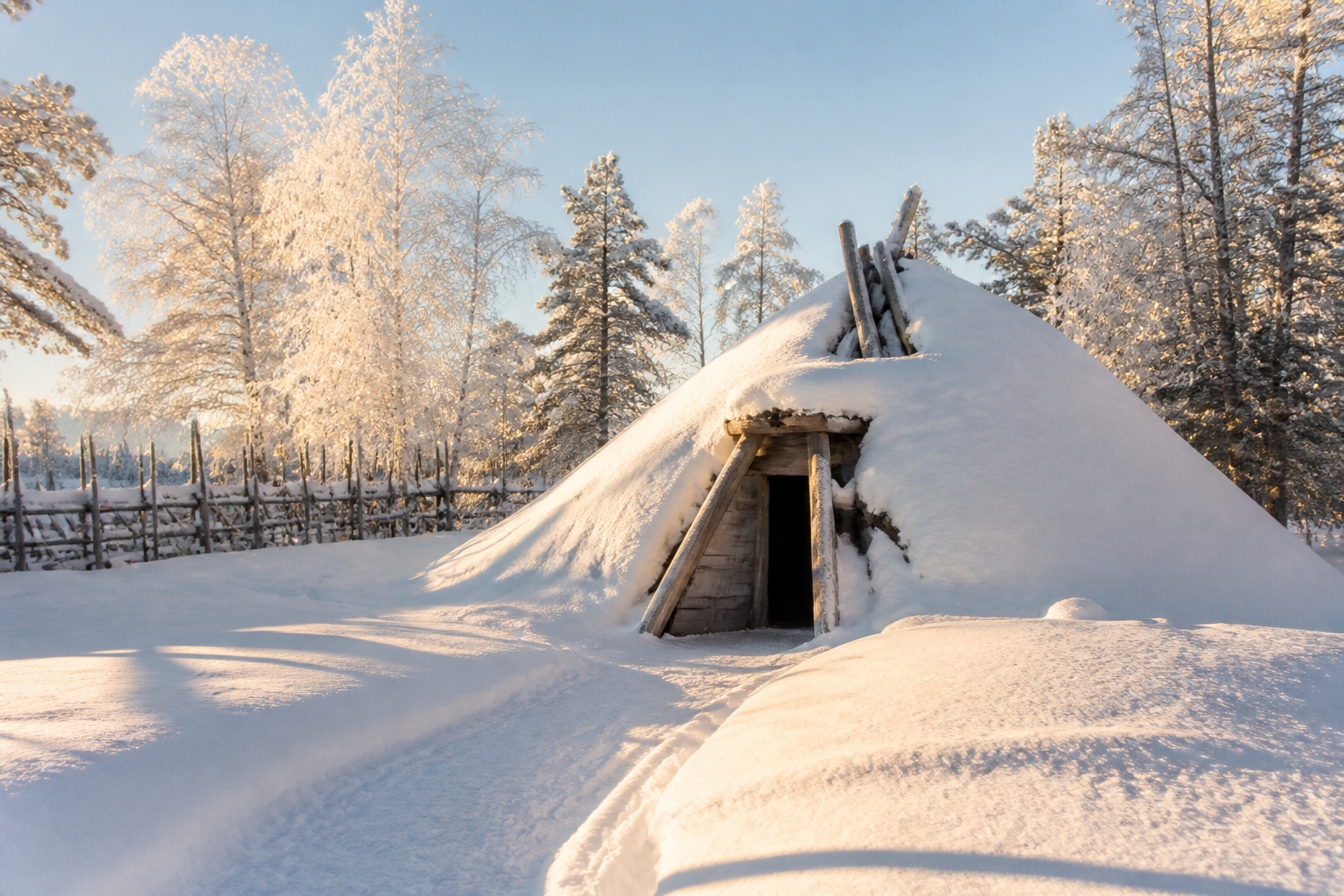
When you picture Lapland, you probably think of endless snowy forests, reindeer pulling sleighs, and the dance of the Northern Lights. And you're right, we have all that! But look a little deeper, and you'll find the living, breathing heart of this land: the culture of the Sámi, the only Indigenous people in the European Union.
Connecting with this ancient-yet-modern culture can be the most rewarding part of your trip, but it requires a gentle and respectful approach. It's not about finding a theme park or a historical reenactment; it's about understanding a present-day community. We're here to guide you on how to engage with Sámi culture in Lapland authentically, focusing on experiences that are Sámi-led and truly educational.
Who Are the Sámi People?
Before we dive into places and experiences, let's start with a quick introduction. The Sámi are the Indigenous people of a vast territory called Sápmi, which stretches across the northern parts of Finland, Sweden, Norway, and Russia's Kola Peninsula. So, while you're in Finnish Lapland, you're in just one part of this larger cultural region.
Their culture is deeply connected to the Arctic environment, with traditions in reindeer herding, fishing, and handicrafts (known as duodji). It's also incredibly diverse. There isn't just one Sámi language; there are nine living languages, three of which are spoken in Finland. This isn't a culture frozen in time. Today, Sámi people are artists, politicians, entrepreneurs, and academics, blending ancient traditions with modern life.
Siida: The Essential Starting Point in Inari
If you do only one thing to learn about Sámi culture, make it a visit to the Sámi Museum and Nature Centre Siida in Inari. We can't recommend it enough. Inari is the heart of Sámi culture in Finland, and Siida is its soul. It's not a stuffy old museum; it's a vibrant, beautifully curated experience.
- What to Expect: The indoor exhibitions walk you through the annual cycle of Sámi life and the history of the people here, from ancient spirituality to modern challenges. In summer (from June 1st), the open-air museum is the highlight. You can walk through different types of traditional dwellings, from turf huts to log storehouses, built by the people who actually used them. You'll understand how the architecture was perfectly adapted to the seasons.
- Practical Info: An adult ticket costs around €15. Plan to spend at least 3-4 hours here, especially if you want to properly explore the outdoor section. Siida's opening hours vary by season, with longer hours in summer and more limited hours in deep winter, so always check their website before you go.
- Local Tip: The museum shop is one of the best places to buy authentic duodji (Sámi handicrafts). It's more expensive than a souvenir shop, but you are paying for real craftsmanship certified with the Sámi Duodji mark.
Sajos: The Modern Heart of Sámi Governance
Just a short walk from Siida, you'll see a stunning wooden building on the banks of the Juutua River. This is Sajos, the Sámi Parliament and Cultural Centre in Finland. Visiting Sajos is the perfect contrast to Siida because it shifts the focus from history to the living, breathing political and cultural life of the Sámi today.
Sajos is the home of the Sámi Parliament of Finland, which represents the Sámi in national and international affairs. Its architecture is incredible, inspired by Sámi symbols and materials. While it's a working government building, they offer guided tours that give you a fascinating look into its function and design.
- Practical Info: You must book a guided tour in advance to see the inside. A tour costs about €10 per person and lasts around an hour. It’s a fantastic way to understand how Sámi culture asserts its identity and rights in the modern world.
Arktikum: Sámi Culture in a Wider Arctic Context
If your trip is based in Rovaniemi, you should definitely visit Arktikum. While Siida is laser-focused on Sámi culture, Arktikum tells the broader story of life in the Arctic, covering everything from climate science to the history of the peoples of the North.
Arktikum has an excellent, comprehensive exhibition called 'The Northern Ways' that details the history and survival of Arctic peoples, including the Sámi of Finland, Sweden, and Norway. It's a great introduction, especially for understanding how Sámi fit into the larger circumpolar world. The building itself, with its iconic glass tube pointing north, is worth the visit alone.
- The Trade-Off: Arktikum provides wonderful context, but it doesn't offer the depth on Sámi culture that you'll find in Inari. If you're serious about learning, we see it as a fantastic starting point before heading further north. If you only have time for Rovaniemi, it's your best option.
- Practical Info: An adult ticket is about €18. It's centrally located and open year-round.
Choosing an Ethical Reindeer Experience
This is one of the most important—and tricky—parts of ethical tourism in Lapland. Reindeer are central to traditional Sámi livelihood, but many tourist operations use Sámi culture as a backdrop or costume without any real connection or benefit to the community.
Here’s our honest advice: seek out experiences that are owned and operated by Sámi reindeer herders. When you do, the focus shifts. It's no longer just about a photo-op or a short sleigh ride. Instead, you'll hear stories about the herding year, the challenges of climate change, and what the reindeer really mean to their family and culture. These experiences are often quieter, smaller, and a bit further out of the main tourist hubs, but infinitely more meaningful.
How do you find them? Look for websites that explicitly state they are a Sámi family or company. Read their 'About Us' page. Do they talk about their heritage? Do they sound like genuine herders or a big tour operator? An authentic visit contributes directly to the continuation of a traditional livelihood. You can also browse Lapland activities to find authentic experiences.
Duodji: More Than a Souvenir
While browsing shops, you'll see countless 'Lappish' souvenirs. But true Sámi handicraft, duodji, is something else entirely. It's a craft tradition where items are both functional and beautiful, made from natural materials like antler, birch, leather, and wool. A guksi (wooden cup), a leuku (big knife), or woven bands are not just objects; they carry stories and generations of skill.
- Spotting the Real Deal: Look for the Sámi Duodji trademark, a seal of authenticity that guarantees the item was made by a Sámi artisan. You'll find these items in places like the Siida shop in Inari or specialized galleries. Be prepared for the price. A handmade item takes immense skill and time. That €150 knife or €100 wooden cup reflects the true value of the artisan's work.
- Our Advice: Buying one small, authentic piece of duodji is a far more respectful and meaningful way to support the culture than a bag full of mass-produced trinkets.
A Note on Dress: The Gákti Is Not a Costume
You will hopefully see Sámi people wearing their beautiful traditional dress, the gákti (or kolt in Finnish). Please understand that this is not a costume. The colours, patterns, and even the cut of a gákti can signify a person's home region, family, and social standing.
It is worn with pride for celebrations, ceremonies, and important events. This is why you should never, ever wear a fake 'Sámi costume' offered by some tour operators. It's profoundly disrespectful and akin to wearing a sacred garment as a joke. Admire the beauty of the gákti, and if you want to take a picture of someone wearing it, always ask for permission first.
FAQ: Respectful Engagement with Sámi Culture
Before you plan your trip, check hotel availability in Lapland.
Book your Lapland trip
- 🦌 Do — Browse husky, reindeer and aurora tours
- 🏨 Stay — Compare hotels, cabins and glass igloos in Lapland
Some links on this page are affiliate links. Booking through them costs you nothing extra and helps keep Lapland Buddy free.
Usein kysyttyä
What is the most respectful way to learn about Sámi culture?
The best way is to be a respectful guest. Prioritize visiting Sámi-owned and operated businesses and museums like Siida in Inari. Listen more than you speak, ask thoughtful questions, and never treat the culture like a performance for tourists. Your curiosity is welcome when it comes from a place of genuine respect.
Can I visit a Sámi reindeer farm?
Yes, and it can be a wonderful experience, but you must choose carefully. Look for an authentic farm run by a Sámi family. A good indicator is that the focus will be on the culture of herding and the life of the animals, not just a quick sleigh ride. This ensures your money supports the continuation of a traditional livelihood.
Is it okay to take photos of Sámi people in their traditional clothing?
You should always ask for permission before taking a photo. The traditional dress, the gákti, is a very personal and significant garment, not a costume. Most people will be happy to oblige if you ask politely, but it's their decision to make.
Where is the best place in Lapland to experience Sámi culture?
The municipality of Inari is considered the heart of Sámi culture in Finland. It's home to the Sámi Parliament (Sajos), the national museum (Siida), and has the highest concentration of Sámi speakers and Sámi-run businesses, making it the ideal destination for a deep and respectful dive into the culture.
What’s the difference between Lapland and Sápmi?
Lapland (Lappi in Finnish) is the northernmost administrative region of Finland. Sápmi is the ancestral homeland of the Sámi people, a cultural region that has no official borders but spans the northern parts of Finland, Norway, Sweden, and the Kola Peninsula in Russia. You are in both Lapland and Sápmi when you visit northern Finland.
Lisää kysymyksiä?
Kysy Buddylta suoraan — ilmaisia ja välittömiä vastauksia Rovaniemestä ja Lapista.
Avaa Lapland Buddy