Päiväkirja
A Guide to Sámi Culture in Inari for 2026-2027
Journey with us to the heart of Sápmi as we explore the vibrant, living Sámi culture in Inari with respect and genuine curiosity.
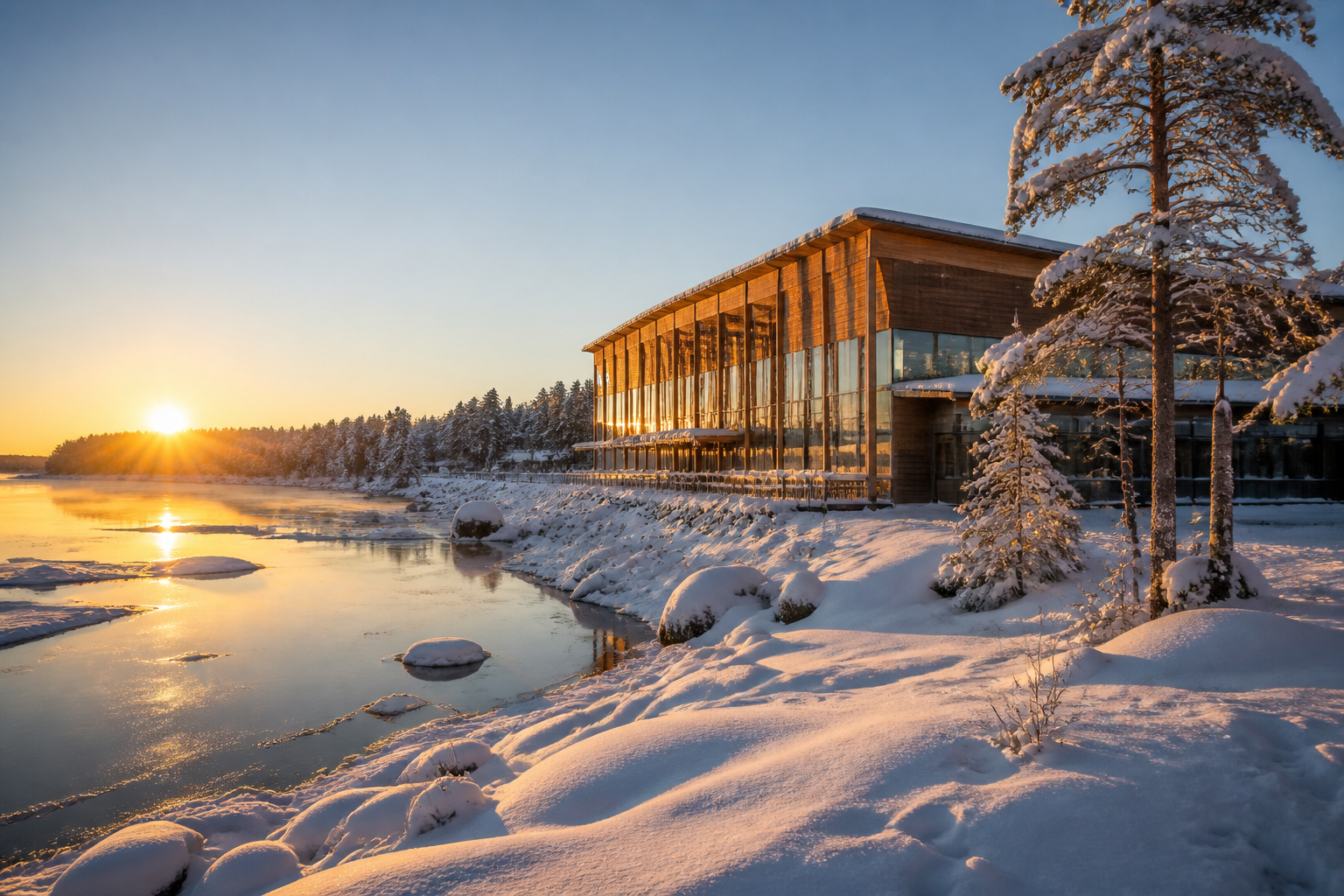
When you travel north of the Arctic Circle, you’re entering an ancient land with a living, breathing soul. Here in Lapland, especially around the village of Inari, you are in the heart of Sápmi, the homeland of the Sámi people. This isn't a historical theme park; it's a vibrant, modern culture with deep roots, and experiencing it is one of the most profound things you can do on a trip to the north.
But how do you engage with another culture respectfully and authentically? That's the question we get asked a lot. It’s about seeking to understand, not just to see. It’s about supporting Sámi-run institutions and businesses, listening more than you speak, and leaving behind the stereotypes. Join us, your local buddies, as we guide you through the best ways to experience the rich Sámi culture in Inari.
Why Inari is the Heart of Sámi Finland
While Sámi people live across the northern parts of Norway, Sweden, Finland, and Russia, the village of Inari is undeniably the cultural and political hub for the Sámi in Finland. It’s home to the Sámi Parliament of Finland (Sámediggi), the Siida museum, the Sajos cultural centre, and a Sámi-language radio station. This concentration of cultural institutions makes Inari the perfect place to begin your journey of understanding.
Unlike more tourist-focused towns like Rovaniemi, Inari’s identity is intrinsically tied to its Sámi heritage. Here, the culture isn’t just an attraction; it’s the fabric of daily life. You'll hear Sámi languages spoken in the local supermarket, see the blend of traditional clothing with modern life, and feel a deep connection to the nature that surrounds the village, nestled on the shore of the vast and sacred Lake Inari.
Siida: Your Essential First Stop
If you do only one thing in Inari, make it a visit to the Siida museum and Nature Centre. We can’t stress this enough: start here. Siida is not just a museum; it's a gateway to understanding the Sámi worldview and the Arctic environment they call home. The exhibitions are curated by the Sámi community and are incredibly well done, explaining the annual cycle of life, the history of the people, and their deep connection to the land.
- What to Expect: The main indoor exhibition walks you through the seasons and history. In the summer (from June to September), the outdoor museum is the real treasure. You can walk through a collection of traditional Sámi dwellings and buildings from different eras, giving you a tangible sense of history. Plan for at least 3-4 hours here.
- Price & Practicalities (2026): An adult ticket costs around €15. Siida is open year-round, but hours vary by season, so always check their official website before you go. The restaurant, Sarrit, serves delicious lunches inspired by local ingredients.
- Buddy's Tip: Go in the morning when you’re fresh. There is a lot to read and absorb, and you don’t want to rush it. The knowledge you gain here will enrich every other experience you have in Inari.
Sajos: The Centre of Sámi Governance
Just a short walk from Siida is Sajos, a stunningly modern wooden building on the bank of the river Juutuanjoki. This is the Sajos Cultural Centre and the home of the Sámi Parliament of Finland. While Siida tells the story of the past and present, Sajos is where the future of the Sámi people in Finland is actively being shaped. It houses the parliament hall, a library, an auditorium, and educational facilities.
Visiting Sajos is a powerful way to understand that Sámi culture is not static. It’s a modern, political, and living entity. You can’t just walk in and wander around, as it's a working government building. However, they offer guided tours that give you fascinating insight into the architecture (which is full of Sámi symbolism) and the function of the parliament.
- How to Visit: Guided tours are typically offered a few times a week. You must book in advance. As of late 2026, a tour costs about €12 per person. It’s an absolute must for anyone interested in contemporary Indigenous governance.
Learning Duodji: The Art of Sámi Handicrafts
Duodji is the Sámi word for their traditional handicrafts, but it means much more than just “crafts.” It's a holistic concept that ties materials, form, function, and storytelling together. Authentic Duodji is made by Sámi people using traditional materials like reindeer leather, antler, silver, and wood. You’ll notice the colours of the Sámi flag—red, green, yellow, and blue—are often present.
Where can you find it? The Siida museum shop has an excellent, certified selection. Another fantastic place is the Sámi Duodji ry shop in the village. This ensures your money goes directly to Sámi artisans. For a deeper experience, look for a Duodji workshop. Several local artisans offer short courses where you can try making your own silver ring or small leather pouch.
- Honest Trade-off: A genuine piece of Duodji, like a handcrafted knife (leuku) or a silver brooch, is an investment. It is not a cheap souvenir. You are paying for generations of skill, authentic materials, and cultural heritage. A small silver piece might start around €100, while a knife can be several hundred. Please, avoid the mass-produced fakes sold in many tourist shops further south.
Authentic Reindeer Experiences: Life of a Herder
Reindeer are central to Sámi culture, but not all reindeer sleigh rides are created equal. Many commercial operators offer a quick loop in a pen, which tells you very little about the animal or the herding lifestyle. In the Inari region, we strongly recommend seeking out experiences run by local Sámi families on their home farms.
These are often more intimate and educational. You’ll spend several hours, not just 15 minutes. You might help feed the reindeer, learn about the challenges of modern herding (climate change is a huge one), and sit by a fire in a kota (a traditional Sámi dwelling) to hear stories from the herder's life. It becomes a conversation, not a performance.
- Finding a Guide: Look for small-scale providers who emphasize culture and ecology. Expect to pay from €130-€200 per person for a half-day ethical and educational experience in the 2026-2027 winter season. It’s more expensive than a quick sleigh ride, but the value is incomparable.
The Flavours of Sápmi: Where to Taste Local Food
Sámi cuisine is born from the surrounding nature. The ingredients are pure and the flavours are clean: reindeer, fish from the lake (like whitefish and Arctic char), wild berries (cloudberries, lingonberries), and mushrooms. The food tells a story of the eight seasons and a life of self-sufficiency.
In Inari, you can taste this tradition in both rustic and refined forms. For a truly exceptional culinary experience, book a table at Restaurant Aanaar at the Tradition Hotel Kultahovi. The chefs here create world-class modern dishes using ancient ingredients and techniques. It’s a celebration of Sápmi on a plate.
- Buddy's Tip: A tasting menu at Aanaar in 2026 will likely cost around €90-€120, and you absolutely must reserve a table weeks, if not months, in advance. It’s one of the best dining experiences in all of Finland.
Timing Your Visit: Key Events in 2027
You can connect with Sámi culture year-round, but certain events offer a unique window into the community.
- Skábmagovat Film Festival (late January 2027): An Indigenous peoples’ film festival held in Inari. What makes it magical is the Northern Lights Theatre, an outdoor cinema carved from snow and ice, where you watch films wrapped in blankets under the dancing aurora.
- Inari Reindeer Racing Championships (early April 2027): This is a huge local event where reindeer herders from across the region gather at Lake Inari to compete. It's a thrilling, authentic, and vibrant community festival, not just a show for tourists.
A Note on Respect: How to Be a Good Visitor
This is the most important section. Being a respectful visitor is simple and comes down to remembering that you are in someone’s home, not a museum exhibit.
- Ask for Permission to Photograph: Never take photos of people, especially children or elders in traditional dress (gákti), without asking first. The gákti is not a costume; it holds deep personal and regional meaning.
- Support Authenticity: Spend your money at Sámi-owned businesses. Look for the “Sámi Duodji” and “Sámi Made” certification labels on handicrafts.
- Listen, Don’t Assume: Don’t ask intrusive personal questions about income, land ownership, or reindeer numbers. Listen to the stories that people are willing to share.
- Understand the Terminology: The people are Sámi. “Lapp” is an outdated and offensive exonym. The land is Sápmi. Lapland is a broader, more modern regional marketing term.
- Leave No Trace: The nature here is pristine and sacred. Stick to marked trails and carry out everything you carry in.
Frequently Asked Questions
Is it okay to call the Sámi people “Lappish” or “Lapps”? No, it is not. These terms are considered outdated and pejorative by the Sámi people. The correct and respectful term for the people is Sámi (one person is a Sámi, the people are Sámi). The land they inhabit is called Sápmi.
What is the best time of year to experience Sámi culture in Inari? It depends on what you want to experience. Winter (December-April) is great for reindeer experiences, seeing the Skábmagovat film festival, and the reindeer races. Summer (June-August) is perfect for visiting the outdoor museum at Siida and hiking in the homeland, seeing the landscape that shapes the culture.
How can I be sure I am buying authentic Sámi handicrafts? Look for the official certification marks: “Sámi Duodji” and “Sámi Made.” These guarantee that the product was made by a Sámi artisan. The best places to buy are the Siida Museum Shop and the Sámi Duodji ry association’s shop in Inari village. Be wary of generic souvenir shops.
Is Inari difficult to get to? Inari is remote, but accessible. The nearest airport is Ivalo (IVL), about a 45-minute drive away. Finnair flies there daily from Helsinki. From the airport, you can take a bus or a pre-booked taxi to Inari village. In winter, we recommend booking transport well in advance.
Buddy's Take
For us, a trip to Inari is a pilgrimage to the soul of Lapland. It's a place that asks you to slow down, to listen, and to learn. The landscape is vast, the silence is profound, and the culture is resilient and proud. By visiting places like Siida and Sajos, and choosing to support local Sámi guides and artisans, you’re not just a tourist; you become a witness to a living culture. It’s an experience that will stay with you long after the snow has melted from your boots. Go with an open heart, and you’ll be rewarded tenfold.
Usein kysyttyä
Is it okay to call the Sámi people “Lappish” or “Lapps”?
No, it is not. These terms are considered outdated and pejorative by the Sámi people. The correct and respectful term for the people is Sámi (one person is a Sámi, the people are Sámi). The land they inhabit is called Sápmi.
What is the best time of year to experience Sámi culture in Inari?
It depends on what you want to experience. Winter (December-April) is great for reindeer experiences, seeing the Skábmagovat film festival, and the reindeer races. Summer (June-August) is perfect for visiting the outdoor museum at Siida and hiking in the homeland, seeing the landscape that shapes the culture.
How can I be sure I am buying authentic Sámi handicrafts?
Look for the official certification marks: “Sámi Duodji” and “Sámi Made.” These guarantee that the product was made by a Sámi artisan. The best places to buy are the Siida Museum Shop and the Sámi Duodji ry association’s shop in Inari village. Be wary of generic souvenir shops.
Is Inari difficult to get to?
Inari is remote, but accessible. The nearest airport is Ivalo (IVL), about a 45-minute drive away. Finnair flies there daily from Helsinki. From the airport, you can take a bus or a pre-booked taxi to Inari village. In winter, we recommend booking transport well in advance.
Lisää kysymyksiä?
Kysy Buddylta suoraan — ilmaisia ja välittömiä vastauksia Rovaniemestä ja Lapista.
Avaa Lapland Buddy