Päiväkirja
What to Wear in Lapland Winter: A Local's Packing Guide
Wondering what to wear in Lapland this winter? We'll break down the essential layering system so you can stay toasty warm while chasing the Northern Lights or meeting Santa.
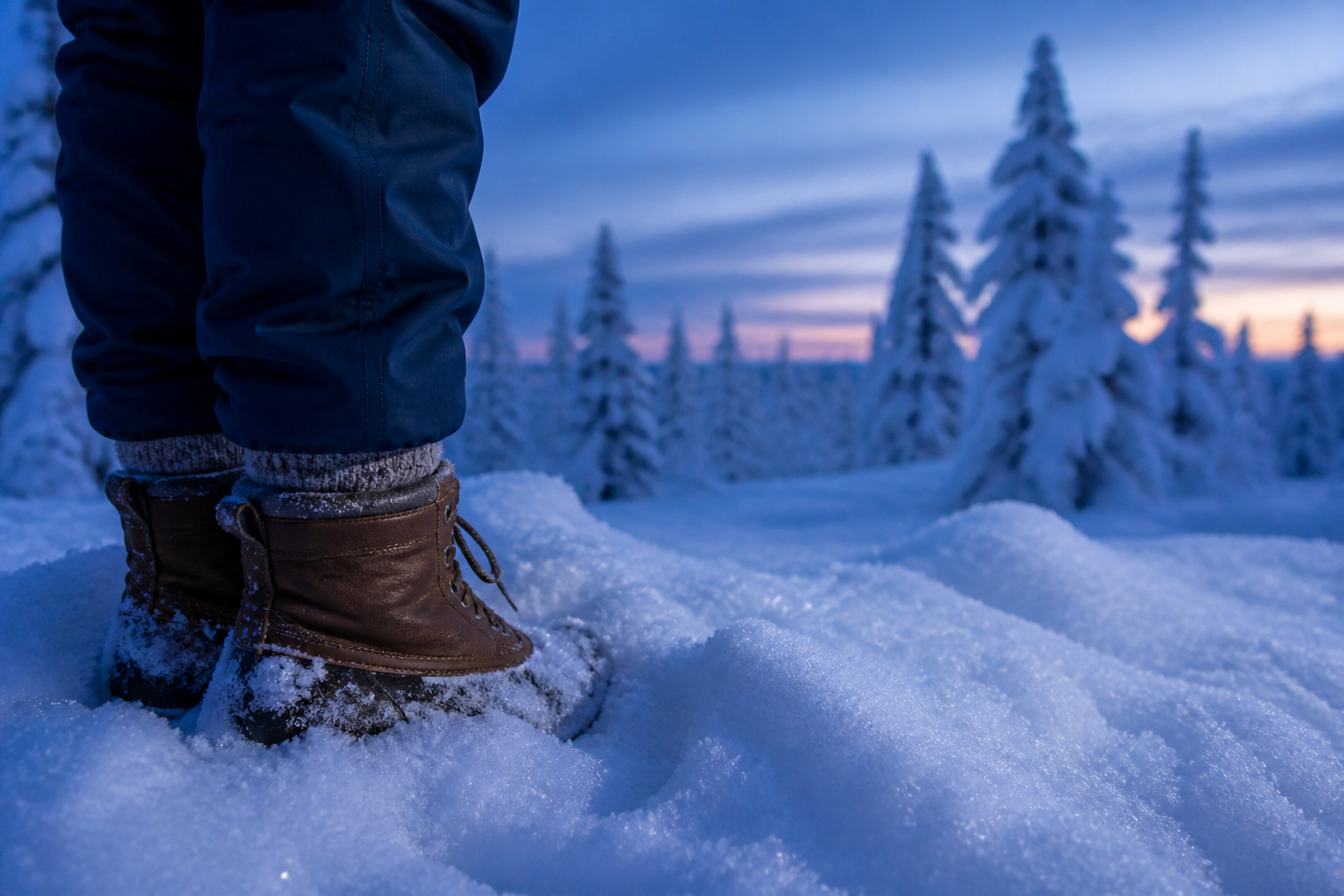
Welcome to Lapland! The first thing everyone asks us is, "But how will I survive the cold?" It’s a fair question when you see a forecast of -20°C (-4°F) or even colder. It sounds intimidating, but we’re here to let you in on a local secret: there’s no such thing as bad weather, only bad clothing. With the right gear, you won’t just survive; you’ll be perfectly comfortable and free to enjoy the magic of our Arctic home.
Forget packing your thickest, bulkiest jumper. The key to staying warm here isn't one massive jacket; it's a clever system of layers. This is how we locals do it, whether we're heading to the grocery store, guiding a husky sledding adventure, or standing in a silent forest waiting for the Aurora. This guide will walk you through that system, layer by layer, so you can pack smart and stay wonderfully warm.
The Golden Rule: Layering is Everything
Think of your clothing as your personal insulation system. The goal isn't just to pile on clothes, but to trap warm air between them. This trapped air is what keeps you warm, not the fabric itself. Layering is brilliant because it allows you to adjust your insulation as your activity level changes. Feeling too warm after a brisk snowshoe walk? Unzip or remove a layer. Getting chilly while waiting for the Northern Lights? Add a layer back on.
The second, equally important principle is moisture management. Sweat is the enemy of warmth. If your clothes get wet (from the inside or out), they lose their insulating properties and will actively pull heat away from your body. This is why material choice is so critical. As we go through the layers, you'll hear us repeat one thing: no cotton! Cotton absorbs moisture and holds it against your skin, making you cold and clammy. Leave your jeans and cotton hoodies at home.
Layer 1: The Base Layer (Your Second Skin)
This is the layer worn directly against your skin. Its primary job is not to provide warmth, but to wick sweat away from your body to keep you dry.
- Material: You have two main choices: Merino wool or synthetic fabrics (like polyester or polypropylene).
- Merino Wool: This is our top recommendation. It's incredibly soft (not like the itchy wool of your childhood), breathes well, wicks moisture, and has a magical ability to stay warm even when damp. It's also naturally odour-resistant, meaning you can wear it for several days without it smelling. It's an investment, with a good top or bottom costing between €60-€100, but it's worth every cent.
- Synthetics: A more budget-friendly option (€30-€60 per piece). They are excellent at wicking moisture, even better than wool, and dry very quickly. The downside is that they can start to smell after a single day of wear and don't feel as warm as merino when you're standing still. Still, a fantastic choice and far better than cotton.
- What to Pack: We recommend bringing at least two sets of thermal long-sleeved tops and long johns. This way, you always have a dry set ready to go.
Layer 2: The Mid-Layer (The Warmth Engine)
The mid-layer goes over your base layer, and its job is to provide insulation. This is your main warmth-trapping layer.
- Material: Fleece is the most common and practical choice. A good fleece jacket (Polartec 100 or 200 weight is a great standard) is breathable, warm, and durable. It doesn't compress as much as down, but it stays warm if it gets a little damp. Expect to pay €50-€150 for a quality fleece.
- Alternatives: A light down or synthetic-fill "puffy" jacket can also work as a super-warm mid-layer, especially for less active pursuits like a trip to Santa Claus Village or a Northern Lights watch. The main trade-off is that down loses all its insulating power when it gets wet, while synthetic insulation performs a bit better in damp conditions. For maximum versatility, we love a good fleece.
- For your legs: On very cold days (-15°C and below), or if you get cold easily, you might add a pair of fleece trousers over your thermal long johns and under your outer trousers. Most of the time, a base layer and insulated outer trousers are enough.
Layer 3: The Outer Layer (Your Shield)
This is your shell, your defence against wind, snow, and moisture from the outside. It should be both windproof and waterproof (or at least highly water-resistant).
- Type: In Lapland, we almost always recommend an insulated outer layer, often called a snowsuit or ski suit (jacket and trousers). This combines the shell with a layer of synthetic insulation, making the whole system simpler and warmer. This is the gear most safari companies will provide you with.
- Features to Look For: A good hood is non-negotiable to protect your face from wind. Taped seams add to the waterproofing. For trousers, look for 'salopettes' or 'bib pants' that come up higher on your torso for extra warmth and to prevent snow from getting in if you fall.
- Cost: This is the most expensive part of the kit. A good quality insulated jacket and trousers can easily cost €300-€700+. This brings us to a very important question...
To Rent or To Buy? An Honest Cost Breakdown
For most visitors, renting is the best and most economical option for your outer layers.
- Renting: Nearly all activity providers (for snowmobiles, huskies, reindeer sleighs) will include a thermal snowsuit, boots, outer gloves, and a woolly hat in the price of the tour. For days when you're just exploring on your own, you can rent a full set from rental shops in any major tourist town like Rovaniemi or Levi. The cost is typically €20-€35 per person, per day. It's hassle-free and you get gear that is proven to work in our conditions.
- Buying: Buying makes sense if you live in a cold climate and will reuse the gear for skiing or other winter activities. The benefit is a perfect fit and your choice of style.
- Buddy's Hybrid Approach: Our honest advice for most visitors is to buy your own high-quality base layers and wool socks. These are essential, take up little luggage space, and you'll use them again. Then, rent the bulky outer suit and boots when you arrive in Lapland or rely on the gear provided during your activities.
Keeping Your Extremities Toasty: Hats, Gloves, and Socks
Your fingers, toes, and head get cold first. Do not neglect them!
- Socks: The two-layer system works wonders here too. Wear a thin synthetic or merino liner sock to wick moisture, and a thick, high-quality wool sock over it. Never cram your feet into boots; the trapped air is crucial. Bring at least 3-4 pairs of thick wool socks.
- Hands: Mittens are always warmer than gloves because they keep your fingers together. The best system is a thin pair of liner gloves (so you can use your phone or camera without exposing your bare skin) inside a thick, insulated, windproof pair of mittens.
- Head: You lose a huge amount of heat through your head. A warm hat (beanie or pipo as we say in Finnish) made of wool or fleece that fully covers your ears is essential. A balaclava or neck gaiter (buff) is a fantastic addition to protect your face and neck from windburn, especially on snowmobile tours.
The Best Winter Boots for Lapland
This is the single most important piece of gear you might buy. Cold, wet feet will ruin your day faster than anything else.
Your stylish city winter boots are not enough. You need proper, temperature-rated winter boots. Look for brands like Sorel or Baffin that have a removable felt liner and a thick rubber sole. The sole's thickness insulates you from the cold ground.
Crucial Tip: Buy boots at least one full size larger than your normal shoe size. This allows room for your two pairs of socks and, most importantly, a pocket of air to keep your feet warm. Tight boots = cold feet. Good boots will cost €120-€250, but they are often included in rental packages.
What About the Kids? Packing for Little Adventurers
Children get cold much faster than adults. The layering principle is the same, but be even more vigilant.
- One-piece snowsuits are fantastic for kids as they prevent snow from getting in around the waist.
- Mittens are a must; don't even try with gloves for young children.
- Ensure nothing is too tight. Check that their boot size is generous and that layers aren't restrictive.
- For kids who grow so fast, renting their outer gear is almost always the smartest financial decision.
Don't Forget These Small but Mighty Extras
- Lip Balm with SPF: The cold, dry air is harsh on lips. The sun reflecting off the snow can also burn.
- Moisturiser: Your skin will thank you.
- Sunglasses: The glare from the snow on a sunny day is intense.
- Hand and Toe Warmers: These disposable chemical heat packs are a cheap and amazing luxury. Pop a pair in your mittens or boots before a long Northern Lights hunt for hours of extra warmth.
- Headlamp: In December and January, it gets dark by 3 PM. A headlamp is useful for walking around and keeping your hands free. You can also browse Lapland activities to fill your itinerary.
- Portable Power Bank: Cold drains batteries (phones, cameras) incredibly fast. Keep a fully charged power bank in an inside pocket to stay connected. Remember to check hotel availability in Lapland for your trip. For more official visitor information about the region, check out Visit Finland's Lapland section. You can also get real-time weather updates from the Finnish Meteorological Institute. Planning your trip using our AI travel guide for Lapland?
Book your Lapland trip
- 🏨 Stay — Compare hotels, cabins and glass igloos in Lapland
- 🦌 Do — Browse husky, reindeer and aurora tours
Some links on this page are affiliate links. Booking through them costs you nothing extra and helps keep Lapland Buddy free.
Usein kysyttyä
Is cotton really that bad for Lapland's winter?
Yes, it is the worst possible fabric. We have a saying among outdoor guides: 'cotton kills'. It absorbs sweat and moisture, loses all insulating properties, and clings to your skin, actively making you colder. Please, leave all cotton items—jeans, t-shirts, hoodies, socks—at home.
Can I just wear my regular ski jacket and pants?
It depends. If your ski gear is high-quality and insulated, it might be sufficient when paired with excellent base and mid-layers. However, many ski jackets are just 'shells' designed for high-exertion activity. For standing still while watching the aurora at -25°C, you may find it's not warm enough. The rental snowsuits here are specifically designed for this passive cold.
How should I dress for a nice dinner out in Rovaniemi?
Lapland is very casual. For dinner, people typically wear 'indoor clothes'. This means you can wear a nice sweater or shirt and comfortable trousers (not jeans, maybe travel pants or similar). You'll wear your full winter gear to get to the restaurant, then take off your outer jacket, boots, and maybe mid-layer once inside. No need to dress up formally.
How many layers do I need for my legs?
For most days and activities, two layers are sufficient for your legs: a merino or synthetic base layer (long johns) and insulated, windproof outer trousers. On extremely cold days (below -20°C), or if you are particularly sensitive to cold, you can add a pair of fleece trousers as a third layer in between.
Are my UGG-style boots okay for Lapland?
No, absolutely not. While they may feel warm and cozy indoors, UGG-style boots have soft, porous soles that offer no insulation from the frozen ground. They are not waterproof and have very poor grip on ice and snow. You need proper, waterproof winter boots with thick, rigid rubber soles and a temperature rating.