Journal
Your Guide to an Ethical Husky Safari in Rovaniemi
Learn how to choose a truly wonderful and ethical husky safari in Rovaniemi with our honest, local advice on what to look for and which questions to ask.
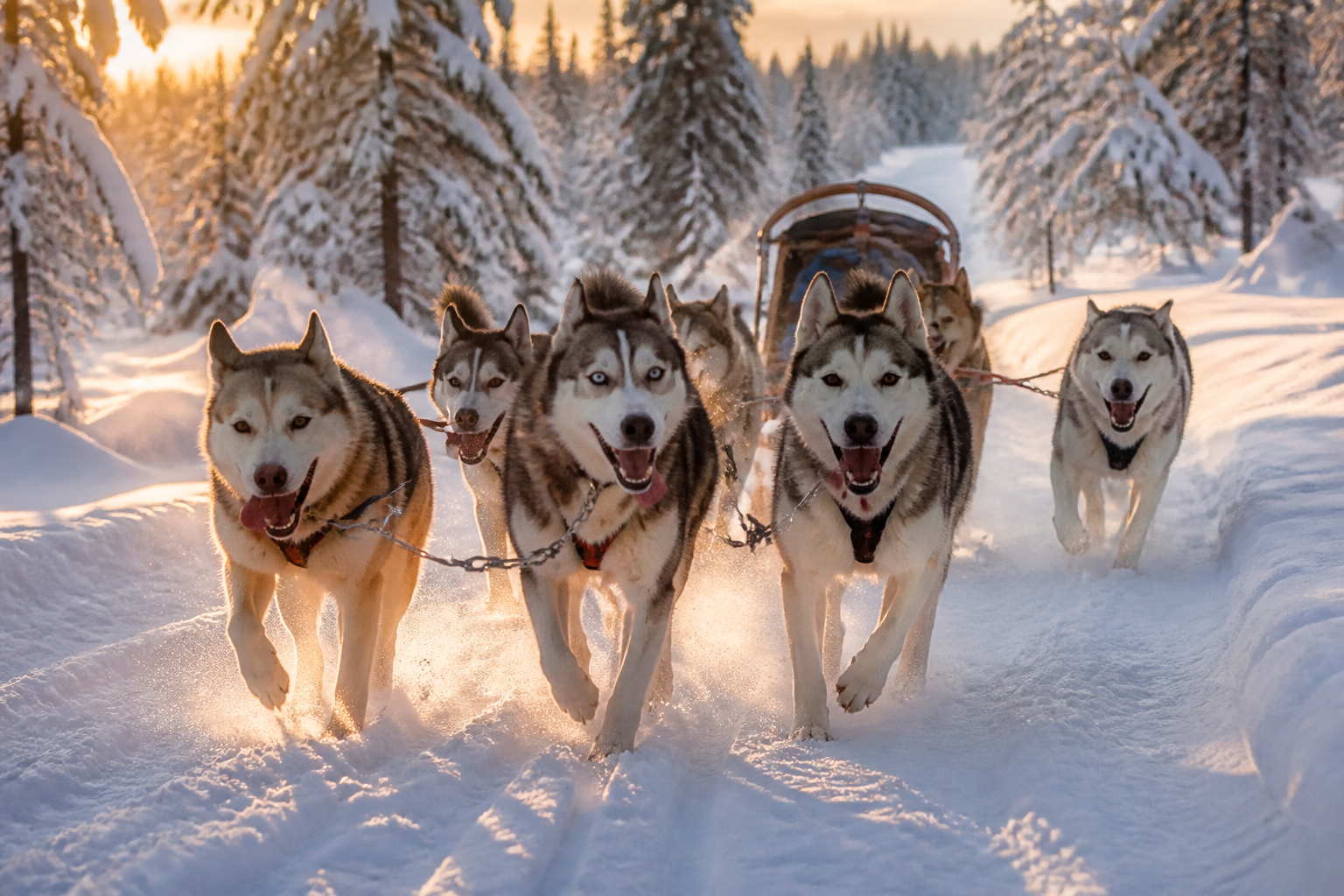
Gliding through a silent, snow-covered forest, the only sounds are the soft padding of paws and the runners of your sled. It's just you, your team of eager huskies, and the vast Lappish wilderness. This is the magic of a husky safari, and it's one of the most unforgettable experiences you can have here in Rovaniemi. We absolutely love it.
But let's be honest: with so many options, choosing the right husky safari can feel overwhelming. More importantly, how do you ensure the experience is as good for the dogs as it is for you? We live here, and we care deeply about our animal partners. So, we've put together this guide to help you choose an ethical, high-quality husky safari where the welfare of the dogs is the top priority.
First, Understand the Dogs
Before we talk about tours, let's talk about the stars of the show. The dogs used for sledding here are typically Alaskan Huskies, a mixed breed prized for their endurance, speed, and love of running. They are not fluffy pets; they are elite athletes bred for this very purpose. They genuinely live to pull. You'll see it the moment you arrive at a kennel – the barking, the leaping, the pure excitement is their way of saying, "Pick me! Let's go!"
An ethical operator understands this and channels that energy properly. They see their dogs as partners, not equipment. This distinction is the foundation of everything that follows. The happiest dogs make for the best and most memorable safaris.
How to Spot an Ethical Operator: The Key Questions to Ask
Not all husky farms are created equal. The boom in tourism around Rovaniemi means some operators prioritize volume over welfare. Here are the things we look for and the questions you should ask before booking.
1. What is the group size?
This is a huge indicator of quality. A smaller group means a more personal experience and less stress on the dogs and the environment.
- Red Flag: Kennels running huge, back-to-back groups with dozens of sleds at a time. This often feels like a conveyor belt.
- Green Flag: Operators that cap their safaris at 4-8 sleds per guide. This allows the guide to give personal attention, share stories, and ensure everyone (human and dog) is safe and happy.
2. What happens to the dogs in the summer and when they retire?
This is probably the most important ethical question you can ask. A sled dog's career lasts about 8-10 years, but their lifespan is longer. A responsible kennel has a plan for their entire life.
- Ask them directly: "What do your dogs do in the off-season?" Good answers include kennel visits, husky hiking, or simply resting and training. They should still receive excellent care, nutrition, and exercise.
- Ask about retirement: "What is your policy for retired dogs?" The best kennels keep their seniors as cherished members of the pack, allowing them to live out their days in comfort. Some also have dedicated adoption programs to find them loving pet homes. A vague answer here is a major concern.
Self-Drive vs. Guide-Driven: Which is Best?
Most safaris offer a "self-drive" option where two people share a sled, taking turns as the musher (driver) and the passenger. Some shorter tours, especially those catering to large groups or young children, might only have guide-driven sleds.
- Self-Drive (Recommended for most): This is the authentic experience. You learn to control the sled, use the brake, and work with your team. It's an incredible feeling. The standard setup is two adults per sled. Price is typically per person, ranging from €140 to €220 for a decent 10-20km safari.
- Guide-Driven Sled: This is a good option if you're nervous, have mobility issues, or are with very young children. You can sit back, wrapped in blankets, and just enjoy the scenery. It's less interactive but very relaxing.
Frankly, we think learning to drive your own team is what makes it a 'safari' and not just a 'ride'. It connects you to the dogs and the landscape in a much deeper way.
Safari Length and Price: What to Expect
You get what you pay for. Cheaper tours are almost always shorter and more crowded. Let's break down the common options in the Rovaniemi area:
Taster Ride (1-3 km): This is a very short loop, often lasting just 10-20 minutes. It's a quick photo opportunity, common at places like Santa Claus Village. Cost: €50-€80. Honest trade-off: It's not a real safari. You won't get into the wilderness or form a bond with the dogs. It can feel rushed.
Standard Safari (10-15 km): This is the sweet spot for most visitors. The actual sledding time is usually 1.5-2 hours, giving you a fantastic taste of the Arctic forest. Cost: €150-€200 per adult. Our take: This is the best value for a genuine, memorable experience.
Long Safari / Half-Day (20-40 km): For the true enthusiast. You'll be out for several hours, often stopping for a hot drink and snack by a campfire in the wild. You really get to see the dogs' incredible endurance. Cost: €250-€350+.
Always check what the total duration includes. A "3-hour safari" might have only 1.5 hours of sledding, with the rest being transfers, instruction, and a post-safari coffee.
Look for Transparency and Kennel Visits
A kennel that is proud of its standards will be happy to show you around. The best tours include time before or after the safari to meet the dogs, see where they live, and ask the mushers questions.
Look for clean, spacious enclosures with proper shelter. The dogs should look healthy, energetic, and have a good rapport with the staff. If a company seems hesitant to let you see the kennels or meet the dogs off the sled, consider it a warning sign. The welfare of these animals should be a point of pride, not a secret.
What to Wear for Your Husky Safari
It gets colder than you can imagine out on the sled. The wind chill while moving is significant. Do not underestimate it. Most good operators provide a thermal outer suit, boots, gloves, and a hat. However, you need to wear proper layers underneath. For more general information about visiting the region, you can also consult the official Visit Finland - Lapland site.
- Base Layer: Merino wool or synthetic thermals (top and bottom). No cotton!
- Mid Layer: A fleece or wool sweater.
- Your Own Outer Layer: A warm winter jacket and ski pants (you'll wear the thermal suit over this).
- Accessories: A balaclava or neck gaiter is essential to protect your face. Bring warm wool socks and your own thin liner gloves to wear inside the big mittens.
Being warm is the difference between loving every second and being miserable. Dress seriously.
Booking Your Safari: When and How
The husky season runs from when there's permanent snow (usually late November) until the snow melts (mid-to-late April). December and January are peak times, so you must book well in advance – we're talking months, not weeks.
Booking directly with a small, local farm is often the best way to ensure your money supports them fully. While large reseller sites are convenient, going direct allows you to ask these ethical questions yourself. A quick search for "husky farm Rovaniemi" and a visit to their own websites will give you a good feel for their philosophy. Compare them against the criteria we've outlined here. To find other exciting winter activities, you might also want to browse Lapland activities or if you need a place to stay, you can check hotel availability in Lapland. For more information on what to expect in the area, check out the official Visit Rovaniemi site. If you're planning your trip to Lapland, consider using an AI travel guide for Lapland. For other exciting winter activities, you might also be interested in our guide to the best husky experiences in Lapland.
Book your Lapland trip
- 🚗 Drive — Compare rental cars for Lapland winter roads
- 🦌 Do — Browse husky, reindeer and aurora tours
- 🏨 Stay — Compare hotels, cabins and glass igloos in Lapland
Some links on this page are affiliate links. Booking through them costs you nothing extra and helps keep Lapland Buddy free.
Frequently asked questions
Is husky sledding cruel to the dogs?
When done ethically, no. These dogs are born and bred to run, and it's their greatest joy. An ethical operator ensures they are not overworked, receive excellent nutrition and care, have rest days, and live happy lives into retirement. The cruelty comes from operators who prioritize profit over animal welfare, which is why choosing carefully is so important.
What is the best time of day for a husky safari?
This depends on the time of year. In the deep winter (December-January), a midday safari offers the best light during the few hours of 'Kaamos' twilight. In February and March, morning or afternoon safaris are both excellent. Evening safaris offer a chance to see the Northern Lights, but it's much colder and you see less of the landscape.
Can children go on a husky safari?
Yes, but there are usually age and height restrictions, especially for sitting in the sled. Very young children (under 4) may not be allowed on longer safaris due to the extreme cold. Often, children will ride in a larger sled driven by a guide for safety. Always check the specific company's policy before booking.
Do I need experience to drive my own sled?
No experience is necessary! All self-drive safaris start with a thorough lesson on how to steer, how to use the brake (the most important part!), and how to work with your dog team. The guides are always nearby to help. It's surprisingly intuitive once you get going.
Should I tip my husky safari guide?
Tipping is not expected or part of the culture in Finland as it is in some other countries. However, if you feel your guide provided an exceptional, personal, and informative experience, a small tip is always a very welcome gesture of appreciation for their hard work.