Journal
The Best Time to Visit Lapland: A Month-by-Month Guide
Discover the perfect month for your Lappish adventure, whether you're chasing the aurora, visiting Santa Claus, or basking in the midnight sun.
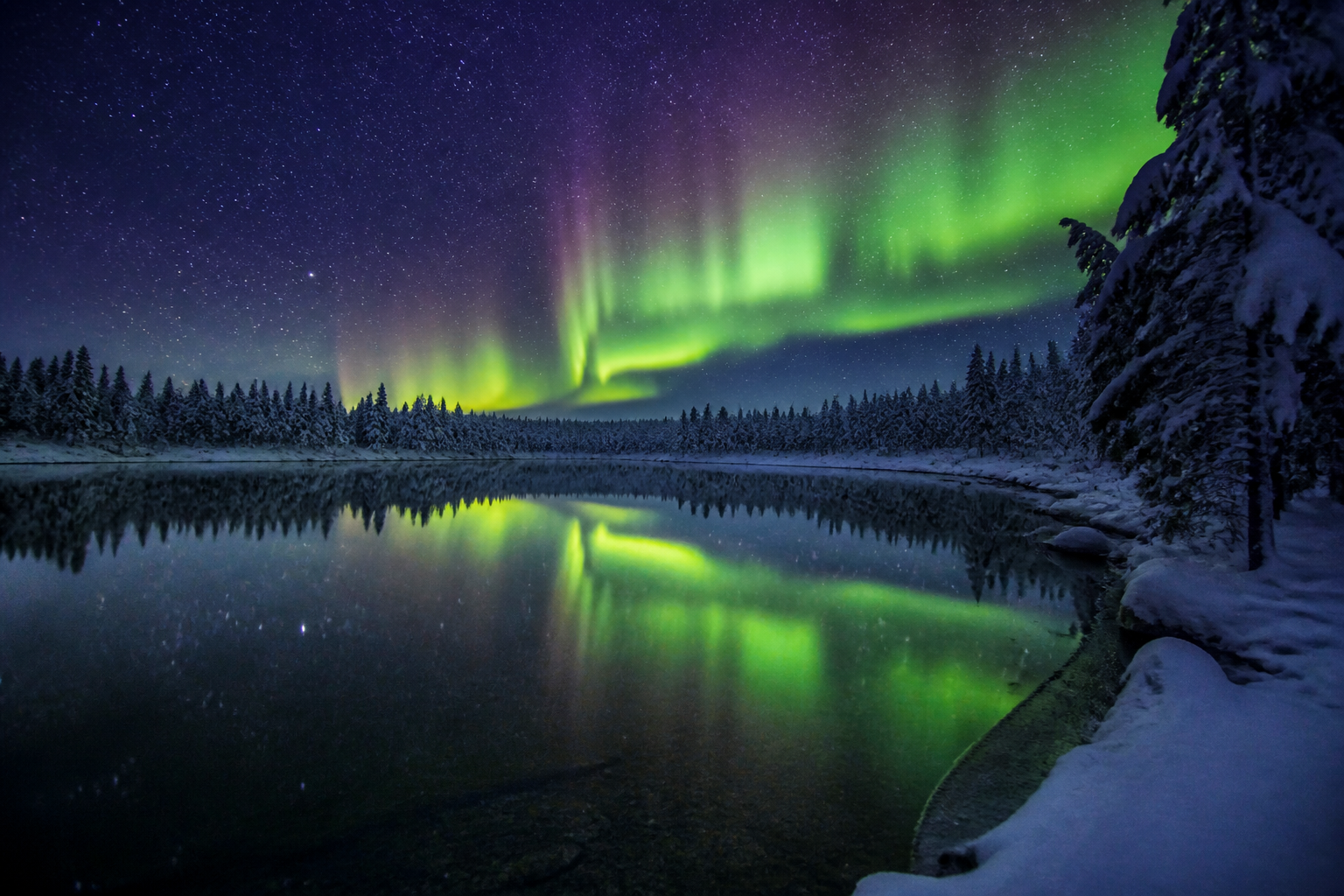
“So, when is the best time to visit Lapland?” It’s the first question we always get, and the honest answer is: it depends entirely on the kind of magic you’re looking for. Are you dreaming of a classic white Christmas, hushed polar nights with dancing auroras, or endless summer days under the Midnight Sun? Every season here offers a completely different world.
Here in Lapland, we don’t just have four seasons; we have at least eight. From the deep freeze of mid-winter to the explosion of autumn colour, each part of the year has its own rhythm, its own activities, and its own unique beauty. Let’s walk through the year together, month by month, so you can find the perfect time for your own Arctic adventure.
December: The Quintessential Christmas Magic
This is it—the Lapland you see on postcards. If your dream is to meet Santa, ride in a reindeer-drawn sleigh through a snowy forest, and feel the pure magic of Christmas, December is your month. The entire region, especially around Rovaniemi, is buzzing with festive energy. Snow is virtually guaranteed, blanketing the landscape and muffling all sound, creating a truly serene atmosphere. The days are very short, with only a few hours of mystical blue twilight (we call this Kaamos, or Polar Night), which just makes the Christmas lights and cozy fires feel even more special.
The Trade-Off: This magic comes at a price. December is by far the most expensive and crowded time to visit. Accommodation and flights can be two to three times their normal price, and you’ll need to book everything—from your cabin to your husky safari—up to a year in advance. Our tip? If you want the festive feel with slightly thinner crowds, aim for the first two weeks of December. But for the full Santa experience, you have to be here for the holidays. Visiting Santa Claus Village is a must, but be prepared for queues.
January & February: The Deep, Dark, Wondrous Winter
Once the Christmas crowds have gone home, Lapland sinks into the heart of winter. For many of us locals, this is our favourite time. The snow is at its deepest and most powdery, and the cold is crisp and profound, with temperatures often dropping to -20°C or even -30°C. Don't let that scare you! With the right thermal layers (wool is your best friend), the cold is part of the experience. This is the prime time for winter activities. The snow is perfect for snowmobiling, the dogs are eager to run for husky sledding, and the frozen lakes and rivers are ideal for ice fishing.
These months are also phenomenal for seeing the Northern Lights. The nights are long and dark, giving you a huge window of opportunity to witness the aurora. The landscape is pristine, and the silence is absolute. It's a less frantic, more authentic Arctic experience than December. Plus, prices for accommodation and tours drop significantly after the first week of January.
March & Early April: The Sunlit 'Spring-Winter'
If you want the best of both worlds, March is your answer. We call this the 'spring-winter,' and it’s a spectacular time. You still have a thick, reliable blanket of snow perfect for all winter activities, but the sun returns with a vengeance. The days become dramatically longer and brighter, and the sunlight sparkling on the snow is dazzling. Temperatures are much milder, often hovering around -5°C to +5°C, making it comfortable to be outside for hours. For skiers, this is paradise; all the resorts like Levi Ski Resort are in full swing.
Crucially, March is also one of the best months for the Northern Lights. Statistically, auroral activity peaks around the spring equinox. You get the benefit of more comfortable weather and longer days for activities, with a fantastic chance of seeing the lights at night. It’s a win-win, and it's when you'll see many Finnish families enjoying their winter holidays.
Late April & May: The Great Thaw (An Honest Warning)
We believe in being honest, and for most first-time visitors, this is the one period we'd suggest avoiding. This is when the snow melts. And it gets… messy. The landscape is a mix of stubborn ice patches, brown slush, and mud. We call it rospuutto—the time of frost-heaving roads. Many winter activities have stopped because the snow and ice are no longer safe, but summer hiking trails aren't yet accessible. The main upside? It's incredibly cheap and you'll have the place almost to yourself. If you're on a shoestring budget and just want to visit a museum in Rovaniemi, it could work. Otherwise, it’s a tricky time.
June & July: The Midnight Sun & Endless Days
Welcome to a completely different Lapland! Forget the snow and auroras; summer is all about the light. From late May to late July, the sun doesn't set at all above the Arctic Circle. This is the Midnight Sun, and it's a surreal and energizing phenomenon. You can go for a hike, paddle a canoe, or play a round of golf at 1 AM in broad daylight. The landscape is a vibrant, lush green, a stark contrast to the white of winter.
This is the season for hiking in our stunning national parks like Pyhä-Luosto National Park or the vast wilderness of Urho Kekkonen National Park. It's a time for fishing, attending local summer festivals, and, of course, the sacred Finnish ritual of sauna followed by a plunge into a cool, clean lake. The one major downside? Mosquitoes. They are a fact of life in the Lappish summer, so come prepared with good repellent! But it's a small price to pay for 24/7 daylight.
August: Late Summer & The Berry Harvest
August is a beautiful, gentle month. The Midnight Sun period has ended, so the nights begin to draw in again, but the days are still long and often pleasantly warm. The water in the lakes is at its warmest for swimming. This is the peak season for one of our favourite pastimes: foraging. The forests are bursting with blueberries (mustikka) and cloudberries (lakka), and the first edible mushrooms start to appear. It's a quieter time than July, and the mosquito population starts to decline. It's a wonderful time for a peaceful nature retreat before the autumn colours arrive.
September & October: 'Ruska' & The First Auroras
For photographers and nature lovers, this might be the most beautiful time of all. September brings Ruska, when the autumn foliage sets the fells and forests ablaze in spectacular shades of red, orange, and yellow. The air is crisp and clean, and hiking is simply breathtaking. This is your chance to see the landscape at its most colourful.
Even better, as the nights get darker, the Northern Lights return. Seeing the aurora dance above the fiery colours of Ruska reflected in a still lake is an unforgettable sight—one you can't have in the snow-covered winter. The weather is unpredictable; it can be sunny and mild or cold and rainy. The first snow, or ensilumi, usually dusts the highest fells in late September or October, a sign of the winter to come. It’s a season of dramatic transition and profound beauty, with far fewer crowds than winter.
November: The Quiet Blue & Waiting for Winter
The final shoulder season before the Christmas rush. November is a time of waiting. The autumn colours have faded, and the permanent snow has often not yet arrived in the south of Lapland, though the north is usually white by mid-month. The Polar Night begins, and the days grow very short, filled with a beautiful, diffused blue light. It’s a very quiet, almost melancholic, time. Prices are low, and it can be a peaceful getaway if you’re looking to escape and see the unique 'blue moment' light.
The Gamble: The main risk is that there may not be enough snow for winter activities to begin. If you're booking for November hoping for a husky safari, you might be disappointed. It's a gamble, but one that can pay off with a serene, crowd-free experience as true winter takes hold.
Frequently Asked Questions
What is the absolute cheapest time to visit Lapland? The cheapest times are the 'shoulder seasons': late April to May (the spring thaw) and November (before the main snow season). During these periods, you can find flights and accommodation at a fraction of their December prices, but be aware that activity options are very limited.
What are my chances of seeing the Northern Lights? Your best chances are from September through March when the nights are long and dark. Statistically, activity is highest around the autumn and spring equinoxes (late September and late March). However, seeing them is never guaranteed as it depends on solar activity and clear skies. To maximize your chances, stay for at least 3-4 nights away from city lights. For more detailed information, check out our guide on the best time to see Northern Lights in Lapland.
Is Lapland worth visiting in the summer? Absolutely! It's a completely different experience but just as magical. Instead of snow and auroras, you get the Midnight Sun, 24/7 daylight, incredible hiking in lush national parks, serene lakes for swimming and paddling, and a chance to experience authentic Finnish summer cottage life.
How far in advance should I book a trip for December? For a Christmas-period trip (roughly Dec 20th - Jan 5th), you should book 9 to 12 months in advance. This is especially true if you want specific types of accommodation (like a glass igloo or a private cabin) or popular safari times. Everything fills up extremely quickly.
Can you guarantee we will see snow? From December through March, significant snow cover is virtually guaranteed across most of Finnish Lapland. In November and April, it can be less certain, especially in the more southern areas like Rovaniemi. For guaranteed early or late season snow, head further north to areas like Saariselkä or Kilpisjärvi.
What is the best month for a family with young children? Excluding the peak expense of late December, early March is fantastic for families. The weather is milder, the days are bright and sunny for playing in the snow, and all activities are still running. You also retain a good chance of seeing the Northern Lights, which is magical at any age.
Buddy's Take
So, what’s the verdict? If we had to pick, we’d say the 'sweet spot' for a first-time visitor wanting the full winter package is early March. You get the snow, the activities, long sunny days, and a great shot at seeing the aurora, all with fewer crowds and lower prices than December. But honestly, there is no single 'best' time. The right time to visit is when Lapland is offering the very thing that your heart is set on. Whether it's the festive chaos of Christmas or the deep, silent peace of a summer fell, Lapland is waiting for you. Just pick your season, and we promise you’ll find your magic. You can easily check hotel availability in Lapland to start planning your perfect trip. To get there, why not search flights to Lapland today?
Book your Lapland trip
- 🏨 Stay — Compare hotels, cabins and glass igloos in Lapland
- ✈️ Fly — Find flights to Rovaniemi and Lapland
- 🦌 Do — Browse husky, reindeer and aurora tours
Some links on this page are affiliate links. Booking through them costs you nothing extra and helps keep Lapland Buddy free.
Frequently asked questions
What is the absolute cheapest time to visit Lapland?
The cheapest times are the 'shoulder seasons': late April to May (the spring thaw) and November (before the main snow season). During these periods, you can find flights and accommodation at a fraction of their December prices, but be aware that activity options are very limited.
What are my chances of seeing the Northern Lights?
Your best chances are from September through March when the nights are long and dark. Statistically, activity is highest around the autumn and spring equinoxes (late September and late March). However, seeing them is never guaranteed as it depends on solar activity and clear skies. To maximize your chances, stay for at least 3-4 nights away from city lights.
Is Lapland worth visiting in the summer?
Absolutely! It's a completely different experience but just as magical. Instead of snow and auroras, you get the Midnight Sun, 24/7 daylight, incredible hiking in lush national parks, serene lakes for swimming and paddling, and a chance to experience authentic Finnish summer cottage life.
How far in advance should I book a trip for December?
For a Christmas-period trip (roughly Dec 20th - Jan 5th), you should book 9 to 12 months in advance. This is especially true if you want specific types of accommodation (like a glass igloo or a private cabin) or popular safari times. Everything fills up extremely quickly.
Can you guarantee we will see snow?
From December through March, significant snow cover is virtually guaranteed across most of Finnish Lapland. In November and April, it can be less certain, especially in the more southern areas like Rovaniemi. For guaranteed early or late season snow, head further north to areas like Saariselkä or Kilpisjärvi.
What is the best month for a family with young children?
Excluding the peak expense of late December, early March is fantastic for families. The weather is milder, the days are bright and sunny for playing in the snow, and all activities are still running. You also retain a good chance of seeing the Northern Lights, which is magical at any age.